
The 50/30/20 rule budgeting method allocates after-tax income by dedicating 50% to essential needs, 30% to personal wants, and 20% to savings or debt repayment. This framework helps individuals maintain financial stability while ensuring consistent progress toward long-term goals. By categorizing expenses this way, you can effectively balance your current lifestyle with future financial security.
Managing wealth across borders often feels like a constant battle against complex spreadsheets and fluctuating costs of living. Many professionals find themselves earning high salaries yet struggling to see meaningful growth in their global investment portfolios. This lack of structure creates financial anxiety that transcends borders. The 50/30/20 rule provides a sophisticated yet accessible framework to regain control. By categorizing your income into needs, wants, and savings, you can ensure your capital works as hard as you do. In this guide, we will break down the mechanics of the 50/30/20 method. You will learn how to allocate funds for essentials, manage lifestyle inflation, and prioritize long-term savings. We also explore specific adaptations for high-cost environments like Oslo and identify the pitfalls that often derail even the most disciplined international earners.
What is the 50/30/20 Rule Budgeting Method?
The 50/30/20 rule budgeting method offers a clear, three category framework designed to simplify how you manage your money. Popularized by Elizabeth Warren, this approach is specifically built for accessibility. Unlike traditional budgeting that requires meticulous tracking of every minor expense in a complex spreadsheet, this method focuses on the big picture. It divides your monthly income into three distinct buckets: 50% for your absolute needs, 30% for your lifestyle wants, and 20% for your financial goals.
For professionals in Oslo, a critical distinction lies in how you calculate your baseline. This rule applies strictly to your take home or after tax income. Because the Norwegian tax system typically deducts income tax at the source before your salary hits your account, you should base your percentages on the actual net amount deposited by your employer. By adopting these smart saving strategies, you can create a sustainable path toward financial independence. This method serves as a foundation to modernize your global finance habits, ensuring that your daily spending does not compromise your long term security. It is less about restriction and more about intentionality, providing a balanced lifestyle while prioritizing future resilience.
The 50 Percent Category: Covering Your Essential Needs
The first step in applying the 50/30/20 rule budgeting method is identifying your essential needs. These are the non-negotiable costs required for basic survival and the maintenance of your professional life. In a high-cost environment like Oslo, this category demands the highest level of discipline because fixed costs can easily balloon if not monitored closely.
For most residents, the largest "need" is housing (husleie). Regardless of if you are renting a flat in the vibrant streets of Grünerløkka or a quieter apartment in Frogner, your monthly rent or mortgage payment is the cornerstone of this bucket. Beyond housing, this category includes electricity (strøm), basic internet, mandatory insurance, and public transportation for your commute. These are items you simply cannot live without while participating in the local economy.
Distinguishing between a true necessity and a lifestyle choice is where many struggle. Consider your grocery bill, which is a common area for budget leakage. Basic staples like whole grain bread, seasonal vegetables, and protein are needs. However, premium imported cheeses, artisanal chocolates, or high-end organic imports often belong in the 30 percent "wants" category. While these items are purchased at the supermarket, they represent upgrades rather than essentials.
Effective management of this category requires a realistic look at your fixed obligations. If your essentials consistently exceed 50 percent of your after-tax income, it indicates a requirement for smart saving strategies to lower recurring costs. By accurately defining your needs, you protect your ability to fund the other two buckets without incurring high-interest debt, which is vital as you work to modernize your global finance habits.
The 30 Percent Category: Budgeting for Your Lifestyle and Wants
Once you have secured your essentials, the next 30 percent of your after tax income is dedicated to lifestyle choices and personal fulfillment. This bucket is the most flexible, covering everything from your monthly SATS membership and Netflix subscription to weekend dinners at Aker Brygge or social hobbies. Because these costs are discretionary, this category offers the most significant opportunity to modernize your global finance habits by reclaiming wasted capital.
In Oslo, the cost of leisure is high, making this the category where most residents inadvertently overspend. A single flat white at a local cafe can cost upwards of 70 NOK. When compared to the few kroner it costs to brew a high quality cup at home, it becomes clear how small, repeated daily habits can quickly consume your entire 30 percent allowance. These micro expenses often feel insignificant in the moment, yet they are the primary reason many fail to reach their broader financial objectives.
If you find yourself struggling to hit the 20 percent savings target, this is the first place to implement smart saving strategies. You do not need to eliminate all lifestyle spending, but you must prioritize which expenses truly add value. Auditing recurring subscriptions or reducing the frequency of dining out creates the necessary margin to fund your long term resilience and global financial goals.
The 20 Percent Category: Building Savings and Reaching Global Goals
The final 20 percent of your after tax income serves as the engine for long term security and wealth building. While the previous categories address your present life, this bucket is dedicated to your future self. It functions as the foundation for financial resilience, encompassing three primary pillars: debt reduction, emergency liquidity, and long term investments.
Within this category, prioritize establishing an emergency fund that covers three to six months of expenses. In a high cost environment like Norway, this buffer is essential to navigate unexpected shifts in the labor market or sudden repairs. If you carry high interest debt, such as credit card balances or consumer loans, payments made above the mandatory minimum belong in this 20 percent bucket. By aggressively paying down the principal, you reduce the total interest paid over time, which is one of the most effective smart saving strategies available to you.
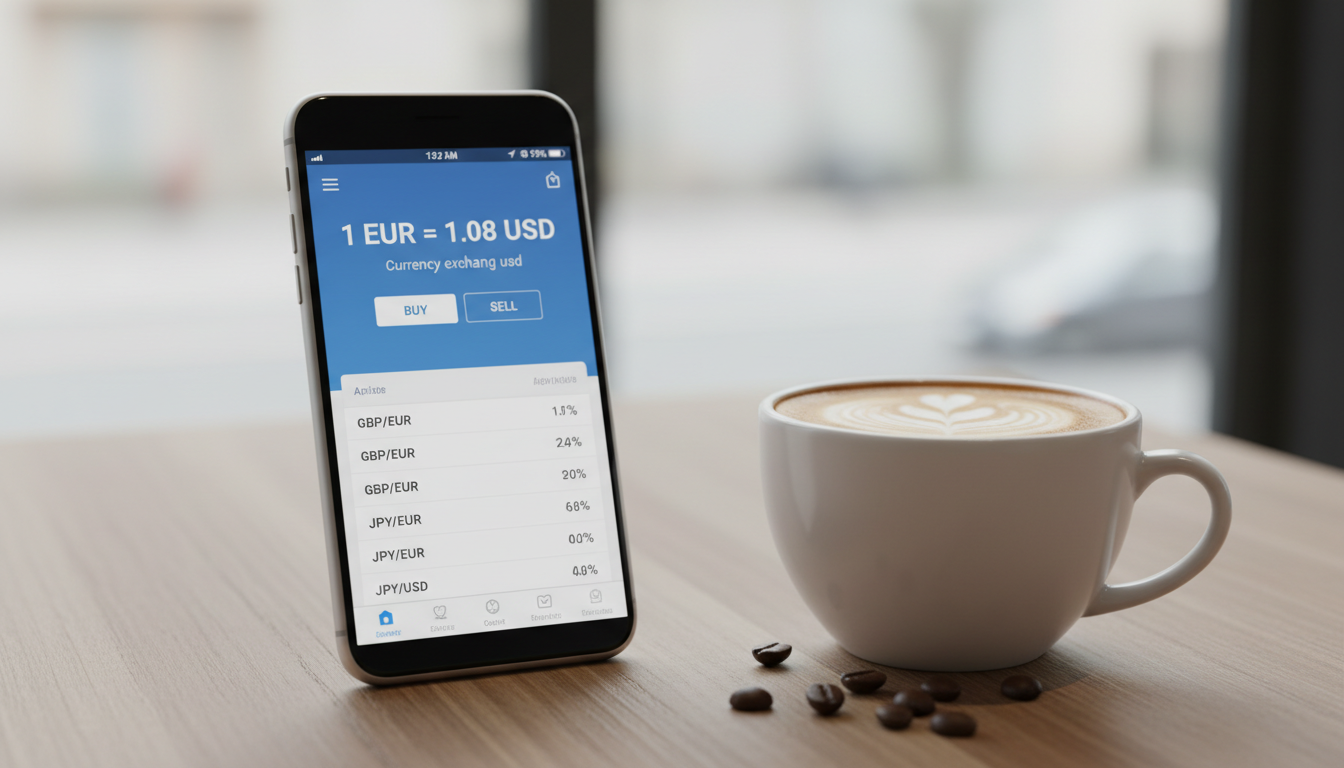
For many in Oslo, financial goals extend beyond national borders. This 20 percent also funds international objectives, such as supporting family abroad, investing in overseas property, or planning global travel. Achieving these goals requires more than just discipline; it requires efficiency. When you transfer funds internationally, hidden fees and inflated exchange rates can quietly erode your progress. By utilizing methods to modernize your global finance, you ensure that more of your 20 percent actually reaches its destination rather than being lost to intermediary bank margins. Finally, ensure a portion of this allocation is directed toward your pension, whether through a private IPS (Individuell pensjonssparing) or other long term investment vehicles, to secure your lifestyle in the decades to come.
Step by Step Guide on How to Use the 50/30/20 Rule

Transitioning from understanding these categories to implementation requires a methodical approach. Start by calculating your total monthly after-tax income. In Norway, your employer typically handles tax withholdings at the source, so use the net figure deposited into your bank account as your baseline. If you receive irregular bonuses or freelance payments, average these over several months to create a reliable monthly average for your 50/30/20 rule budgeting framework.
Next, categorize your previous month's spending. Export your bank transactions to a spreadsheet or utilize a dedicated 50 30 20 budget calculator to see where your money actually went. Tag every transaction as a need, want, or saving contribution. This audit often reveals hidden leaks, such as overlapping digital subscriptions or excessive convenience fees that have gone unnoticed. Identifying these patterns is the first step toward reclaiming your capital.
Finally, evaluate and adjust your allocations to align with the framework. The most effective way to protect your financial future is to automate your 20 percent savings contribution. Set up a standing order to transfer this amount to a separate savings or investment account immediately after payday. By removing these funds before you begin discretionary spending, you effectively eliminate the temptation to overspend on lifestyle choices. Adopting these smart saving strategies ensures your 20 percent works toward your long term goals without requiring constant willpower. As you modernize your global finance habits, this automation becomes the bedrock of your financial stability.
Adjusting the Rule for High Cost Living in Oslo

Applying a rigid framework to a city like Oslo requires a degree of pragmatism. While the 50/30/20 rule budgeting method is an excellent baseline, the local real estate market often dictates a different reality. If your apartment in Majorstuen or Bislett claims 45 percent of your net income, your total needs category will likely hover around 60 percent once utilities and transport are factored in.
In these scenarios, you should adopt a modified split, such as 60/20/20. This adjustment maintains the crucial 20 percent savings target while temporarily tightening your lifestyle spending to 20 percent. Alternatively, you might target a 50/20/30 split if you are aggressively prioritizing debt repayment while keeping fixed costs exceptionally lean. These personalized adjustments are necessary responses to local economic factors, ensuring you can still modernize your global finance goals without feeling defeated by the city's cost of living. Utilizing these smart saving strategies allows you to stay on track even when Norwegian property prices exert pressure on your monthly cash flow.
Common Pitfalls to Avoid with 50/30/20 Rule Budgeting
Even with a tailored plan, psychological biases often lead to misclassifying wants as needs. High performers might view a premium co-working space or a specific tech upgrade as essential for productivity, yet these often belong in the 30 percent lifestyle bucket. Another frequent oversight involves irregular annual expenses. Costs like Norwegian municipal taxes (kommunale avgifter) or yearly insurance premiums can disrupt your flow if you only budget for monthly cycles. To avoid a deficit during these months, calculate the annual total and set aside one twelfth each month within your needs category.
Inflation presents a silent risk; failing to adjust your absolute spending limits as prices rise can inadvertently squeeze your savings. Perhaps the most overlooked pitfall involves hidden transaction costs. If you are saving for international goals, ignoring currency exchange fees can quietly erode your 20 percent savings target. To truly modernize your global finance habits, you must account for the spread and fees charged during cross border transfers. By adopting smart saving strategies that minimize these leakages, you ensure every krone contributes to your long term resilience rather than disappearing into bank margins.
Adopting the 50/30/20 rule is a powerful first step toward achieving lasting financial independence. This method simplifies your spending by balancing essential needs, personal wants, and future savings into a manageable structure. However, every financial situation is unique; applying these principles effectively often requires a personalized strategy. If you want expert help refining your budget or planning for the future, feel free to explore our professional services today. We can work together to ensure your financial plan aligns perfectly with your long-term aspirations.